
Understanding the North Carolina Court System
From magistrate to Supreme Court.
North Carolina runs one statewide court system instead of a patchwork of county and city courts. Every traffic ticket, divorce, estate, and murder trial in all 100 counties moves through the same structure.
One Statewide System, Called the General Court of Justice
The Administrative Office of the Courts runs the business side, from budgets to technology, and the Judicial Branch employs more than 7,400 people. Money and buildings follow a split worth knowing.
The State Pays For
Judges, clerks’ staff, prosecutors, and public defenders.
Counties Provide
The courthouses and their upkeep.
Why It Matters
A cramped courtroom is a county budget question. A shortage of deputy clerks is a state one.

1,000 Tickets, One Intersection
Listen to “1,000 Tickets at ONE Intersection?!” on The Joe Teague Jr. Show.
The Levels of the North Carolina Court System
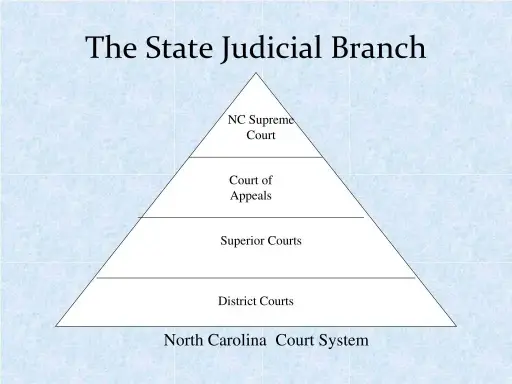
| Court | Who Serves | Main Work |
|---|---|---|
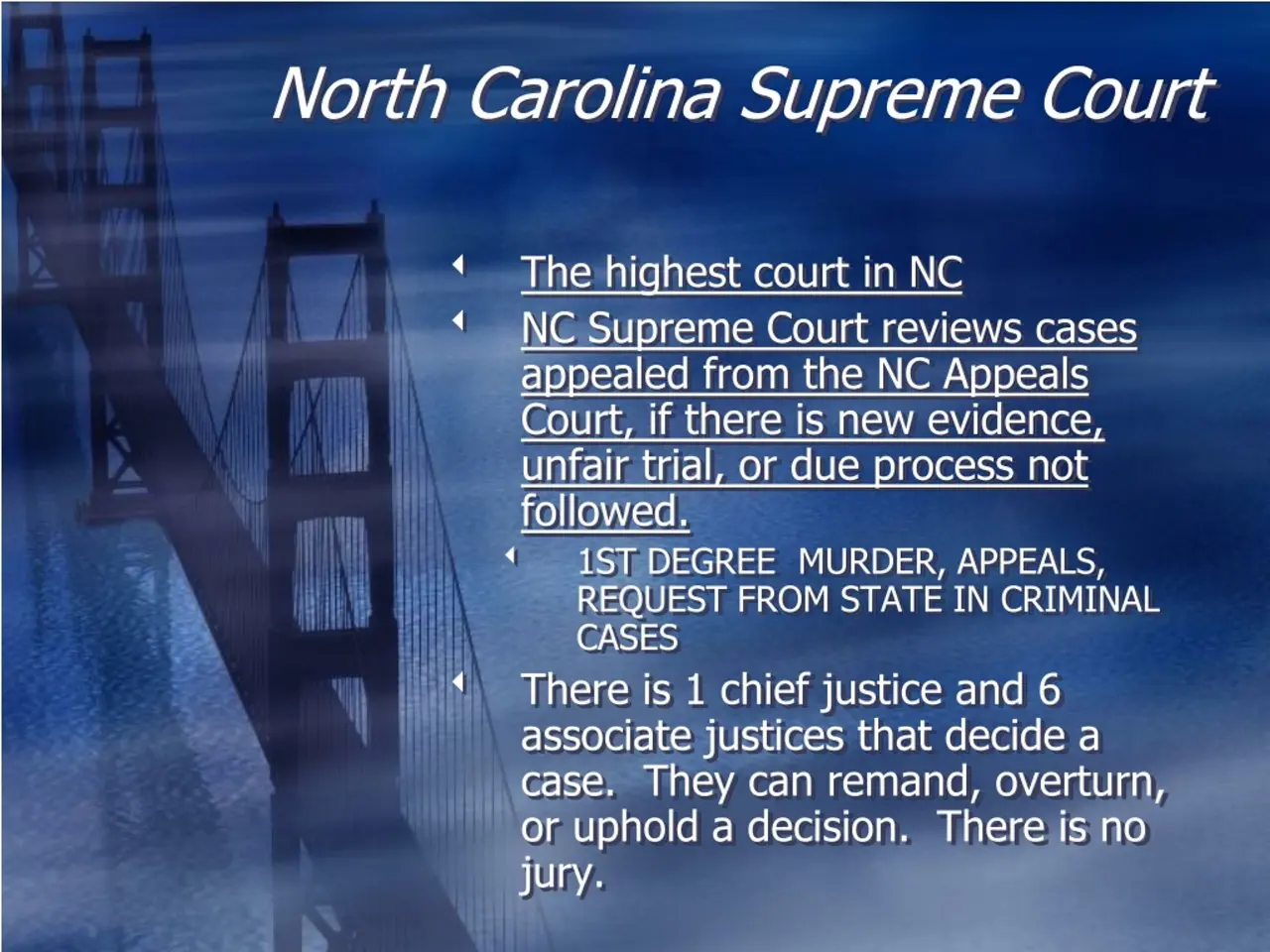
| Supreme Court | 7 justices, elected statewide to 8-year terms | Final appeals and questions of state law |
| Court of Appeals | 15 judges, elected statewide, hearing cases in panels of three | Most appeals from trial courts |
| Superior Court | Judges elected by district to 8-year terms | Felonies, larger civil cases, and appeals from district court |
| District Court | Judges elected by district to 4-year terms | Misdemeanors, traffic, family law, juvenile, and smaller civil cases |
| Magistrates | Appointed officials in every county | Warrants, initial release conditions, and small claims |
| Clerk of Superior Court | Elected in each county to a 4-year term | Records, estates, and special proceedings |
The Clerk’s Unusual Role
Each of the state’s 100 clerks of superior court is also the county’s judge of probate, with authority over wills, estates, guardianships, and foreclosures. More on that in Wake County court administration.
The Business Court
A specialized part of superior court for complex corporate and commercial disputes, with judges in Charlotte, Greensboro, Raleigh, and Winston-Salem.
How a Case Moves Through North Carolina Courts
The path depends on the kind of case. Three common routes show how the levels connect.
Traffic or Misdemeanor
Most begin and end in district court, and many infractions can be settled by paying the ticket. A misdemeanor conviction can be appealed to superior court for a new trial before a jury.
Felony
A magistrate sets the first release conditions. The case starts in district court, moves to superior court after an indictment, and goes to a jury. Appeals generally go to the Court of Appeals.
Estate After a Death
The estate usually goes to the clerk in the county where the person lived. The clerk admits the will, appoints the executor, and reviews the accounting until the estate closes.
Who Oversees the North Carolina Court System
Judges decide cases, but several other offices shape how the system runs. Most are invisible to people who pass through a courtroom once.
The Chief Justice
Heads the Judicial Branch, appoints the director of the Administrative Office of the Courts, picks each district’s chief district court judge, and designates Business Court judges. Paul Newby holds the post today.
Prosecutors and Public Defenders
District attorneys are elected and decide which criminal cases to pursue. People who cannot afford a lawyer are represented through the Office of Indigent Defense Services.
The Judicial Standards Commission
A 14-member body that investigates complaints about judges and can recommend a reprimand, censure, suspension, or removal. The Supreme Court decides.
How Judges Get on the Bench, and Off It
Judges in North Carolina are chosen by voters, and the rules for replacing and retiring them have shifted in recent years. Debates over those rules are a main front in North Carolina judicial system reform.
Partisan Elections
Judges run in partisan races, from district court to the Supreme Court.
Mid-Term Vacancies
The governor generally appoints a replacement who serves until the next election, though the legislature has changed parts of that process for some seats.
Retirement Ages
A 2023 budget provision set 76 for appellate judges. Superior and district court judges and magistrates still retire at 72.

Where Wake County Fits
Courts, Explained Plainly
Subscribe to The Joe Teague Jr. Show for straight talk on how North Carolina courts work.