
Improving Court Administration in Wake County
Who Runs the Wake County Courthouse
| Office | How the Job Is Filled | What It Runs |
|---|---|---|
| Clerk of Superior Court | Elected countywide to a four-year term | Court records, estates, special proceedings, and money paid into court |
| Chief District Court Judge | Chosen by the chief justice from the district bench | District court scheduling and administration |
| Senior Resident Superior Court Judge | In Wake, chosen by the chief justice | Superior court administration and local court rules |
| Trial Court Administrator | Staff role | Civil case calendars and case flow |
| District Attorney | Elected | Criminal charging decisions and the criminal docket |
| Sheriff | Elected | Courthouse security, warrants, and the jail |
| Board of Commissioners | Elected | Court buildings and their upkeep |
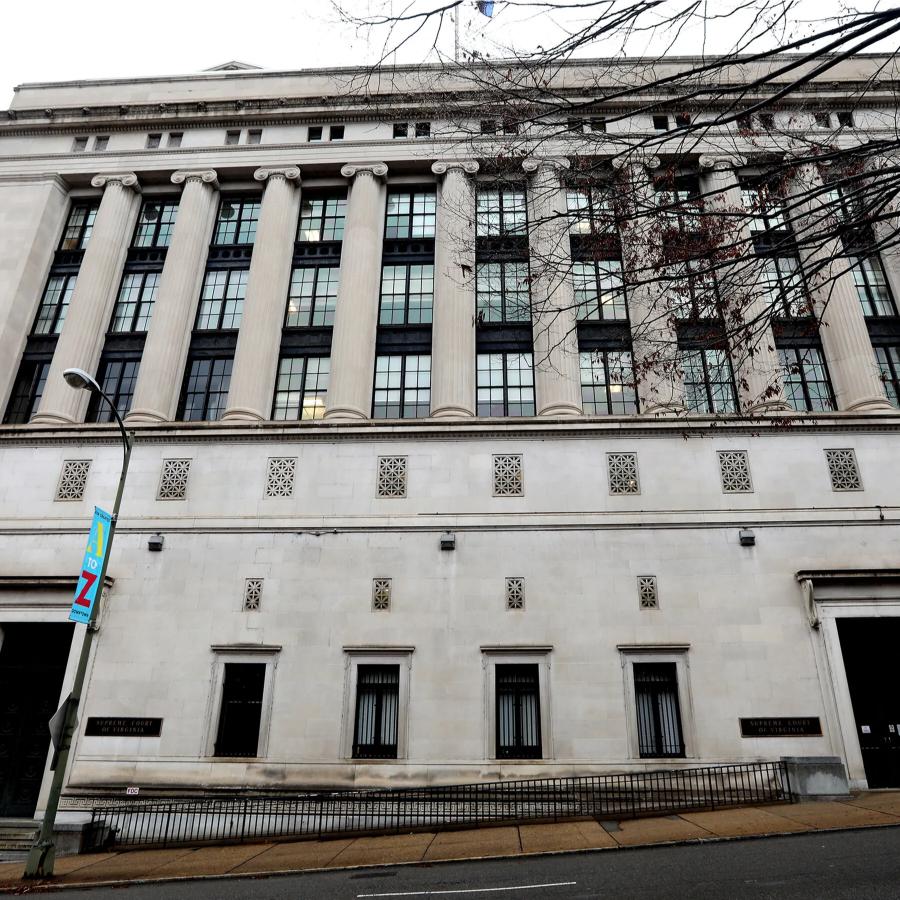
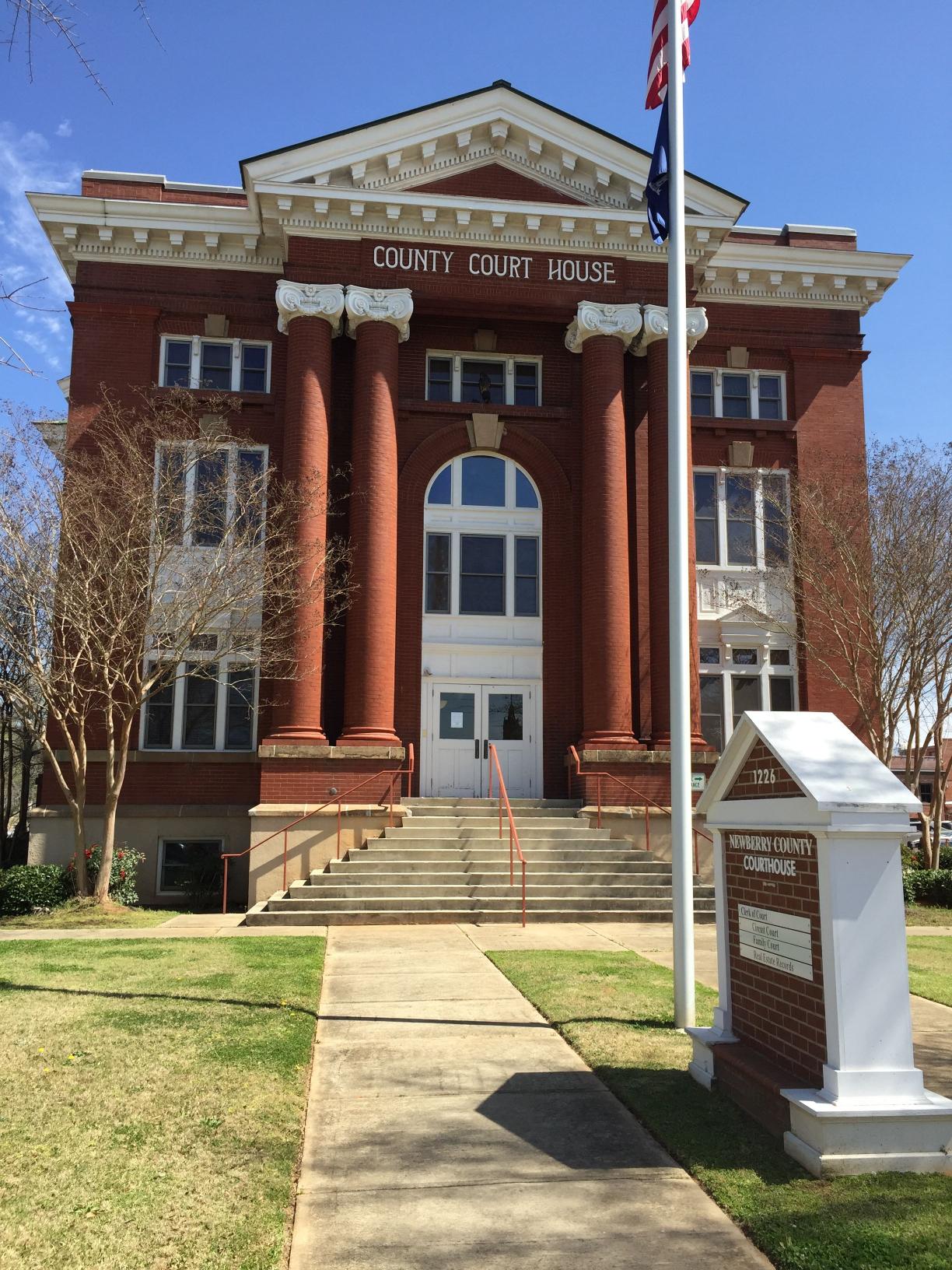
What the Wake County Clerk of Superior Court Handles
Clerks in most states keep records. In North Carolina the clerk is also a judicial officer, a setup the UNC School of Government describes as unique to the state.
Probate Judge
Original and exclusive jurisdiction over wills and estates, from appointing an executor to auditing the final accounting.
Special Proceedings
Guardianship and incompetency cases, adoptions, foreclosures under a power of sale, and the condemnation of land for public use.
Record Keeper
Every filing in superior and district court. A record that is wrong or late can travel to a traffic stop in another county.
Comptroller
Fines, fees, bonds, and money held in trust for minors and estates, all accounted for by the office.
What Does a Clerk Do?
Hear “What Does a Clerk of Court Actually Do?” on The Joe Teague Jr. Show.
Where Wake County Court Administration Feels the Strain
Wake keeps growing, and court volume tends to follow population. The strain shows up in three places.
Staffing
In the 2026 VOTE411 voter guide, Clerk Claudia Croom wrote that the office gained 10 positions in the year’s budget, for a total of 197 clerks. Whether that is enough depends on figures the public rarely sees.
The Paper-to-Digital Switch
Wake was among the first counties on eCourts, in February 2023. Then-Clerk Blair Williams compared the move to giving birth or passing a kidney stone. In mid-September 2023, a system lockout in one Wake courtroom forced District Attorney Lorrin Freeman to send about 60 people home.
Jury Management
Jurors serve one day or one trial and report to the Jury Assembly Room at the Justice Center. Pay is $12 for the first day, $20 a day for days two through five, and $40 a day after that, rates only the General Assembly can raise.

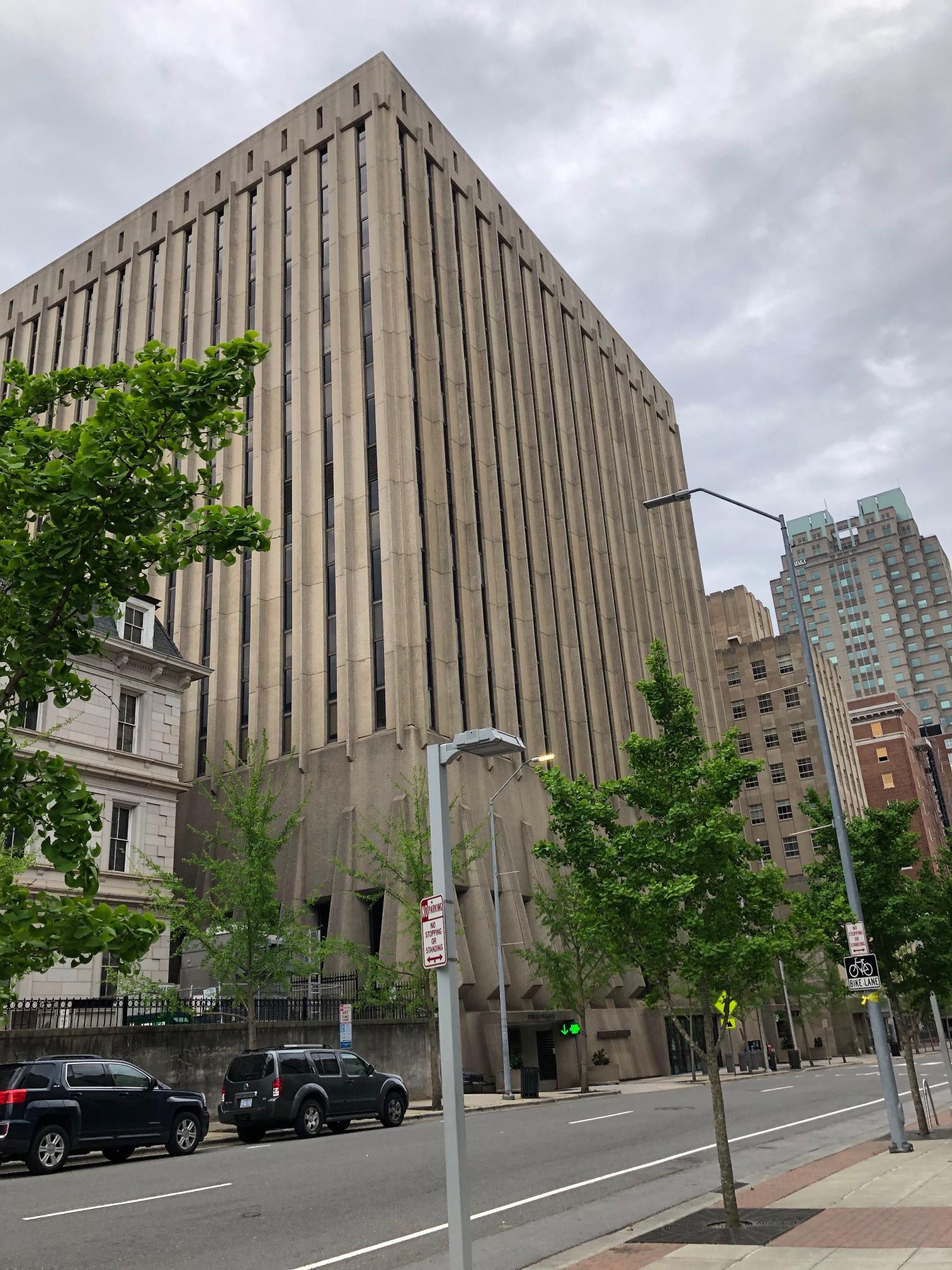
How to Tell Whether Court Administration Is Working
The state’s Case Statistics Dashboard, launched in December 2025, shows cases filed, disposed, and pending by county. Residents measure the courthouse by something else, which is time.
Days to Open an Estate
How long a family waits before an executor can act.
Release Order to Jail
How long a judge’s release order takes to reach the people holding the key.
The Counter Wait
How long someone stands in line on a Monday morning.
Tracing a process from filing to finish and looking for the delays is how Joe Teague Jr. describes his approach, and the show brings that habit to the courthouse.
Some rules are still moving. House Bill 377 would let clerks sign off on default absolute divorces and would expand electronic filing for adoption records. Governor Josh Stein vetoed it in August 2026 over a separate provision on judicial discipline, so those changes depend on a veto override.
Hear the Ideas in Full
Browse every episode on court administration, process, and public service.